


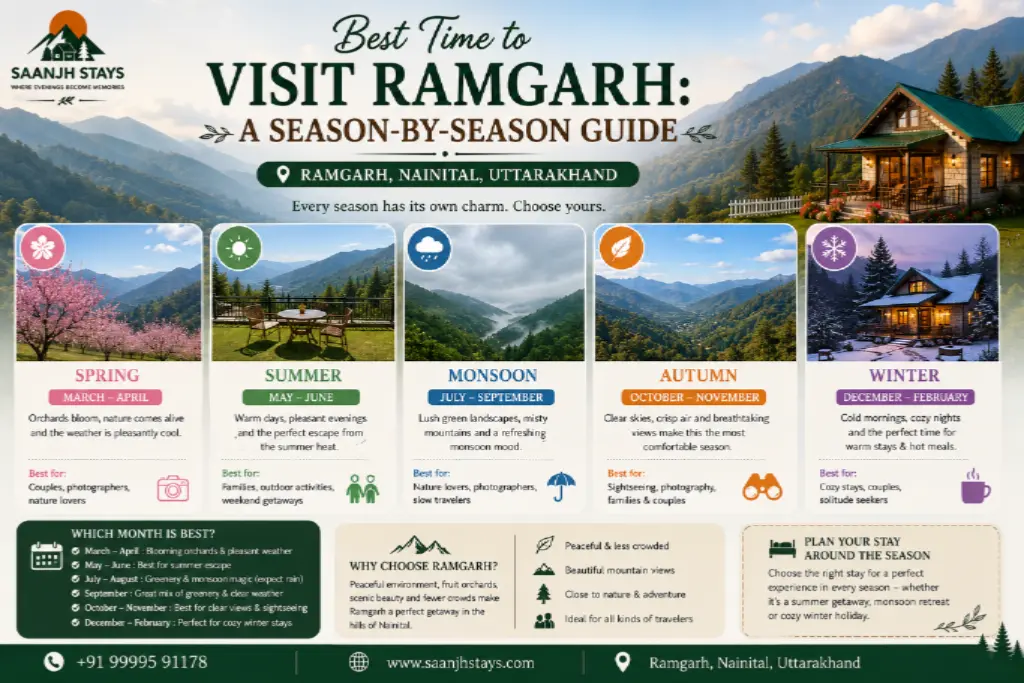
Ramgarh doesn’t have one single “best time to visit ramgarh” season — it has four different versions of itself, and which one suits you depends on what you actually want from the trip. Known as the Fruit Bowl of Kumaon for its apple, apricot, peach, and pear orchards, this quiet hill station near Nainital changes character dramatically between April and February: warm and orchard-scented in summer, lush and moody in monsoon, crisp and clear in autumn, and cold enough for a fireplace in winter.
At Saanjh Stays, we run three properties in the Ramgarh area — Sukoon, Vanyara, and Buransh — and we get asked “when should I come?” more than almost any other question. This guide breaks Ramgarh down season by season, so you can match your trip to the version of Ramgarh you actually want to experience.
Ramgarh’s Climate at a Glance
Sitting at an elevation of roughly 1,518 metres, Ramgarh stays noticeably cooler than the plains year-round, with genuinely warm days limited to a short window and winters cold enough to need proper woollens. Broadly, the year splits into four stretches: summer from April to June, monsoon from July to September, a short but excellent post-monsoon autumn window through October and November, and winter from December through February.
| Season | Months | Daytime Temperature | Character |
|---|---|---|---|
| Summer | April – June | 20°C – 30°C | Warm, clear, peak season |
| Monsoon | July – September | 18°C – 25°C | Lush, rainy, landslide risk |
| Autumn | October – November | 12°C – 20°C | Crisp, clear, low crowds |
| Winter | December – February | 2°C – 10°C | Cold, misty, occasional frost |
Summer in Ramgarh (April to June): Peak Season, Peak Orchards
Summer is Ramgarh’s most popular season, and it’s easy to see why. Daytime temperatures sit comfortably between 20°C and 30°C — warm enough to feel like a proper escape from the heat of Delhi and the plains, but never uncomfortably hot the way lower-altitude towns get in May. Evenings cool down noticeably, so light layers are worth packing even at the height of summer.
This is also when Ramgarh’s orchards are at their most active, with fruit trees in various stages of growth through the season. Sightseeing, short treks, and long walks through the orchard-lined trails are all genuinely pleasant during these months, and it’s the season when most families and first-time visitors choose to come.
What to expect: Peak season pricing and the highest occupancy of the year across Ramgarh’s villas and homestays. If you’re planning a summer trip, book your stay well in advance — properties like Vanyara, with its 4-bedroom layout and garden ideal for group get-togethers, and Sukoon, with its gazebo and quieter 2-bedroom setup, tend to fill up fastest during May and June weekends.
What to pack: Light cottons for the day, one light layer for the evening, and comfortable walking shoes if you’re planning orchard walks or short treks.
Monsoon is best time to visit ramgarh (July to September): Lush, Quiet, and Genuinely Beautiful — With Caveats
Monsoon transforms Ramgarh. The hills turn a deep, saturated green, the orchards fill out, and the whole region takes on a moody, atmospheric quality that photographers and slow-travel visitors specifically seek out. Rainfall is moderate rather than extreme by hill-station standards, and the air stays noticeably cooler, with daytime temperatures in the 18°C to 25°C range.
That said, monsoon travel in the Kumaon hills comes with real caveats. Heavy rain can occasionally cause roadblocks and landslides on the routes into Ramgarh, and outdoor activities — treks, long orchard walks, viewpoint visits — are more weather-dependent than in any other season. If you’re travelling during this window, build flexibility into your itinerary and check road conditions before you set out, particularly if you’re driving up from Kathgodam or Haldwani.
Who this season suits: Travellers who want Ramgarh at its greenest, don’t mind an unpredictable schedule, and are drawn to quieter, lower-tourist-traffic hill stations. It’s also, unsurprisingly, the most budget-friendly time to book.
What to pack: A good rain jacket or poncho, waterproof or quick-dry footwear, and a change of clothes kept dry in a separate bag — mountain rain arrives fast and doesn’t always announce itself.
Autumn in Ramgarh (October to November): The Underrated Sweet Spot
If you ask us directly, this is the season we’d point most travellers toward. Once the monsoon clears, Ramgarh moves into a short but genuinely excellent stretch of crisp air, clear skies, and some of the best Himalayan visibility of the entire year. Daytime temperatures settle into a comfortable 12°C to 20°C range, evenings turn properly cool, and the crowds that fill Ramgarh in summer have largely thinned out.
This is also prime season for the region’s autumn festivals — Dussehra in October and Diwali later in the same month typically fall within this window, bringing a festive local energy to the wider Kumaon region without turning Ramgarh itself into the kind of crowded destination Nainital becomes during the same period.
Why it’s underrated: Autumn gives you nearly all of summer’s clear-sky advantages — plus better mountain visibility — with noticeably fewer tourists and, in many cases, more flexible pricing than peak summer weekends.
What to pack: A light-to-medium jacket for daytime, warmer layers for the evening, and a scarf or shawl if you’re planning early morning or late evening walks.
Winter in Ramgarh (December to February): Fireplaces, Frost, and Quiet Mountain Air
Winter in Ramgarh is genuinely cold — daytime highs often stay in single digits, and overnight temperatures can drop close to freezing, occasionally bringing a light frost across the orchards. This isn’t a season for outdoor lounging, but it’s a strong choice if what you actually want is a quiet, cocooned mountain escape: bonfire evenings, hot food, thick blankets, and long, uninterrupted views once the winter skies clear.
Villas with functional kitchens and private outdoor space come into their own during this season. At Sukoon, the gazebo becomes a genuinely atmospheric spot for an evening bonfire, and at Vanyara, the garden and larger group layout suit families or friend groups planning a winter reunion around a fire rather than a hike. Buransh, with its lawn and in-house dining option, works well for smaller groups who want the winter calm without managing their own cooking.
What to expect: The coldest but also one of the quietest windows to visit — a good fit if you specifically want solitude over sightseeing.
What to pack: Heavy woollens, a proper insulated jacket, thermal layers, gloves, and closed, warm footwear. Evenings in Ramgarh’s winter genuinely require more than a light sweater.
Best Time for Specific Activities
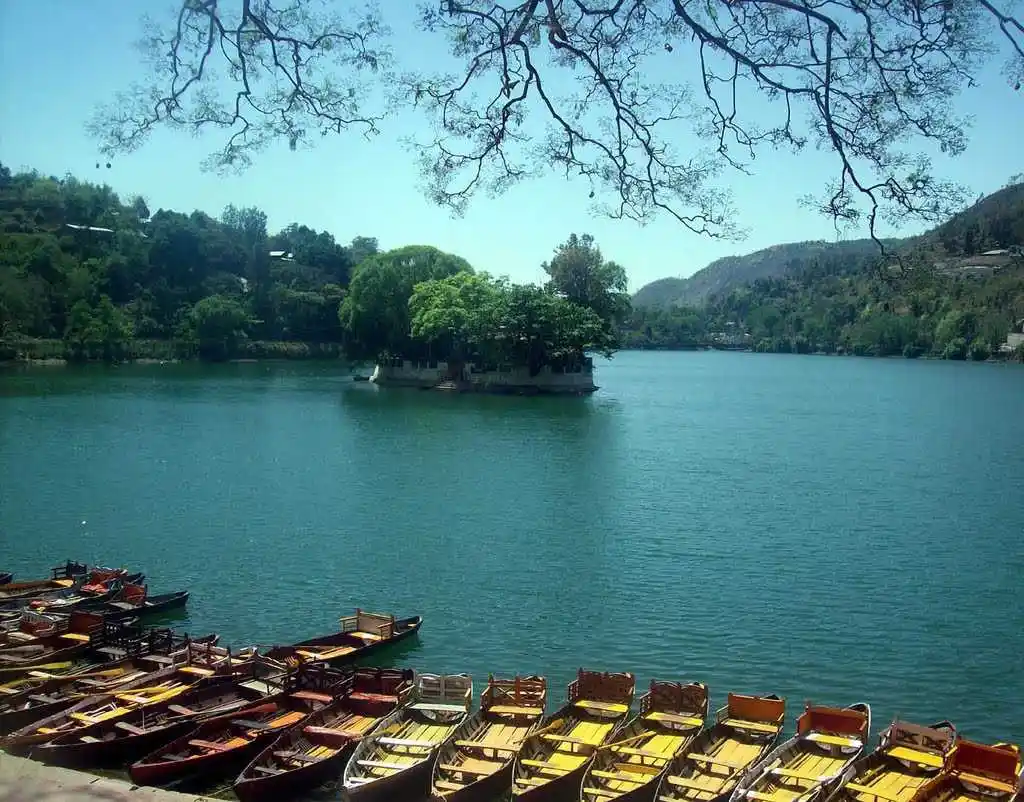
Trekking: October through April offers the most reliable trekking conditions in Ramgarh, with clear trails and stable weather. Summer works too, though early morning starts are recommended to avoid the warmer midday hours. Monsoon trekking is best avoided given the landslide risk on hill trails.
Nature walks and birdwatching: Ramgarh’s orchards and surrounding forest are genuinely good for birdwatching and quiet nature walks nearly year-round, with autumn and winter offering the clearest visibility and the calmest trails. The region isn’t a wildlife-safari destination in the way Jim Corbett is nearby — its appeal is closer, quieter nature: orchard walks, forest trails, and birdsong rather than big-game spotting.
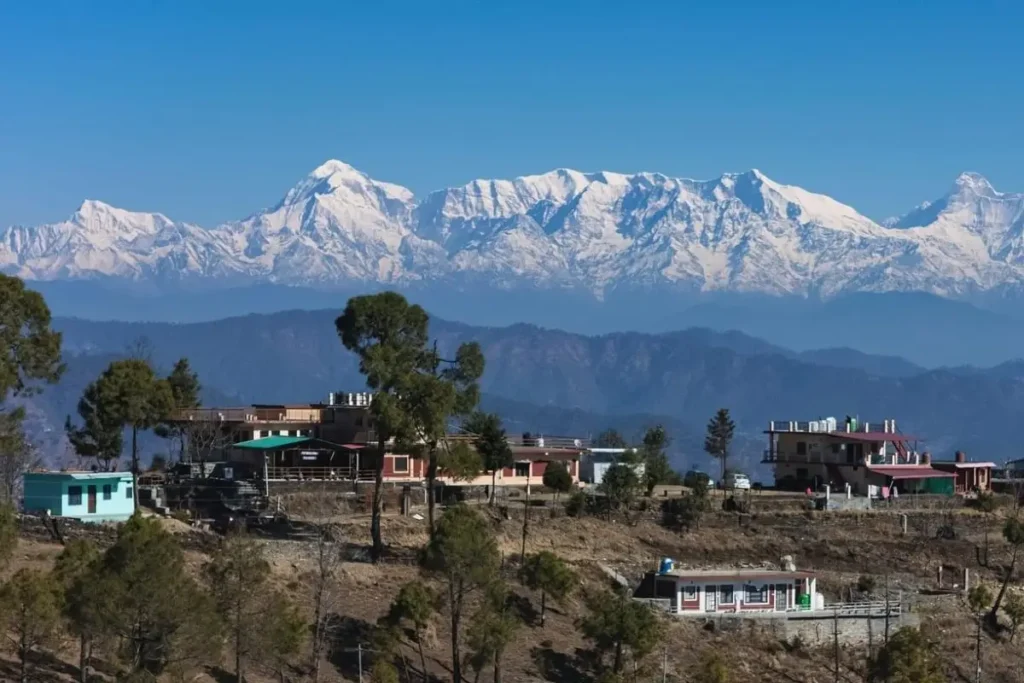
Sightseeing and photography: Autumn (October–November) consistently offers the clearest skies and best Himalayan visibility of the year, making it the strongest window for photography and viewpoint visits.
Seasonal Festivals Worth Planning Around
Ramgarh and the wider Kumaon region celebrate the same major festival calendar as the rest of Uttarakhand. Holi, typically falling in February or March, marks the tail end of winter with colour and local celebration. Dussehra and Diwali, both usually in October, bring a genuinely festive atmosphere to the region during one of its most scenic weather windows — making October a strong choice if you want good weather and local festivity in the same trip.
How Prices Change Across the Year
Hotel and villa pricing across Ramgarh follows a predictable pattern: summer (April–June) and the Diwali/winter-holiday period see the highest rates and earliest sellouts, driven by peak family travel and long weekends. Monsoon (July–September) is consistently the most budget-friendly window, with lower demand translating into more room availability and, often, more flexibility on rates. Autumn sits in between — not quite monsoon-cheap, but noticeably less expensive than peak summer, while still delivering excellent weather.
Saanjh Stays doesn’t publish fixed seasonal discount tiers online, since availability and current offers shift throughout the year — the most reliable way to get an accurate, current rate for Sukoon, Vanyara, or Buransh is to check live availability directly on saanjhstays.com or reach out to our team directly for the latest seasonal offers.
Getting to Ramgarh in Different Seasons
Ramgarh is reached by road from Kathgodam, the nearest railway station, roughly a 1.5 to 2-hour drive depending on conditions. In summer and autumn, this drive is straightforward. During monsoon, factor in extra travel time and check road conditions in advance, since heavy rain can occasionally cause temporary roadblocks on the route up from the plains. In winter, roads generally stay clear, though early morning fog can slow travel in the final stretch — a mid-morning departure from Kathgodam is usually the smoother option.
A Quick Note on Swimming Pools
If a swimming pool is on your checklist, it’s worth knowing upfront: none of our three Ramgarh properties — Sukoon, Vanyara, or Buransh — currently include one, which fits the character of the destination itself. Ramgarh’s appeal has always been its orchards, garden spaces, and quiet mountain air rather than resort-style amenities, and most guests here are looking for a gazebo evening or a bonfire, not a pool day. If a swimming pool is genuinely non-negotiable for your trip, our sister property, Saanjh Stay Mussoorie, features Mussoorie’s largest swimming pool alongside spacious lawns — a better fit if pool access is the priority.
Choosing Your Ramgarh Villa by Season
- Summer: Vanyara’s garden and 4-bedroom layout suit larger groups wanting outdoor space during the warmest months
- Monsoon: Any of the three villas work well if you’re prioritising a quiet, budget-friendly stay and don’t mind a flexible itinerary
- Autumn: Sukoon’s gazebo is an excellent spot for evening conversations under some of the year’s clearest skies
- Winter: Buransh’s lawn and in-house dining option suit smaller groups who want a warm, low-effort winter escape
Book Your Ramgarh Stay with Saanjh Stays
Whichever season you choose, you can check live availability and book directly across all three Ramgarh properties — Sukoon, Vanyara, and Buransh — through saanjhstays.com, with a WhatsApp option for quick confirmation. For seasonal offers, group bookings, or questions about which villa suits your travel dates, reach the Saanjh Stays team directly at +91 9818647226 or Info@saanjhstays.com.
Frequently Asked Questions
October and November offer Ramgarh’s best combination of pleasant weather, clear skies, and strong Himalayan visibility, making it the strongest overall window for sightseeing. Summer (April–June) is a close second, with warm days ideal for orchard walks and general sightseeing.
Summer (April–June) stays warm at 20°C–30°C, monsoon (July–September) brings moderate rain at 18°C–25°C, autumn (October–November) turns crisp and clear at 12°C–20°C, and winter (December–February) gets cold, often dropping to 2°C–10°C with occasional frost.
Saanjh Stays focuses on direct villa stays rather than brokering third-party tour packages, but our team can point you toward local guides and orchard walks during your stay. For monsoon travel specifically, check road conditions in advance and build flexibility into any guided plans given the season’s landslide risk.
Monsoon (July–September) is Ramgarh’s off-season and typically offers the most budget-friendly rates across the region, including at Saanjh Stays’ Ramgarh villas. Check live pricing directly on saanjhstays.com, since rates adjust with seasonal demand rather than following a fixed discount schedule.
October through April offers the most reliable trekking conditions, with clear trails and stable weather. Monsoon trekking (July–September) is best avoided due to landslide risk on hill routes.
Winter in Ramgarh suits quieter, low-effort outdoor time — bonfire evenings, short daytime walks when skies are clear, and orchard views once winter frost lifts — rather than long treks or extended outdoor activity given the cold.
For the most accurate, current rates on Saanjh Stays’ Ramgarh villas, booking directly through saanjhstays.com gives you live availability rather than third-party listings that may not reflect real-time pricing or offers.
Prices peak during summer (April–June) and the Diwali/winter-holiday period, drop to their lowest during monsoon (July–September), and sit in between during autumn. Saanjh Stays doesn’t publish fixed seasonal discount tiers online — contact our team directly or check live rates on saanjhstays.com for current offers.
Pack light cottons for daytime, one light layer for cooler evenings, and comfortable walking shoes if you’re planning orchard walks or short treks during your stay.
Autumn and winter offer the clearest visibility and calmest trails for birdwatching and nature walks in Ramgarh’s orchards and surrounding forest. Ramgarh isn’t a wildlife-safari destination — its appeal is quieter nature experiences like orchard walks and birdsong rather than big-game spotting.
Dussehra and Diwali, both typically falling in October, bring festive local energy to the region during one of its best weather windows. Holi, usually in February or March, marks the close of winter with colour and celebration.
None of Saanjh Stays’ three Ramgarh properties — Sukoon, Vanyara, or Buransh — currently include a swimming pool, which fits Ramgarh’s orchard-and-garden character rather than a resort-style setting. If a pool is a priority, our sister property Saanjh Stay Mussoorie features Mussoorie’s largest swimming pool.
Ramgarh is reached by road from Kathgodam railway station, roughly a 1.5–2 hour drive. Summer and autumn offer the smoothest travel; monsoon requires extra time and road-condition checks, while winter mornings can see brief fog delays on the final stretch.
Pack layers year-round given the temperature swing between day and evening. Summer needs light cottons and one warm layer, monsoon needs rain gear and quick-dry footwear, autumn needs a light-to-medium jacket, and winter needs heavy woollens, thermals, and proper closed footwear.
Monsoon is best suited to slower, indoor-adjacent experiences — enjoying the lush orchard views from your villa, short walks between rain showers, and the region’s dramatic, cloud-covered mountain scenery — rather than long treks or viewpoint drives given the season’s unpredictable conditions.